News
1,000 days of conflict in Sudan: Civilians are paying the price of impunity
As the world marks 1,000 days since conflict erupted in Sudan, millions of civilians continue to face one of the most severe humanitarian crises in the world.

For nearly three years, violence, displacement, hunger and the collapse of basic services have defined daily life for civilians across the country.
Since April 2023, an estimated 12 million people have been displaced, with 4.3 million fleeing to neighbouring countries. Civilians continue to face daily threats, including attacks on residential areas, sexual violence, forced displacement and family separation. Critical infrastructure including schools, hospitals, markets and displacement sites have been damaged or destroyed, as 19.2 million people – over 40% of Sudan’s population – face acute food insecurity.
What were once emergency conditions have become protracted realities. Despite the magnitude of needs, humanitarian access remains severely limited. In many areas, life-saving assistance is either insufficient or completely absent, forcing communities to survive without meaningful support and little access to food, healthcare or clean water.
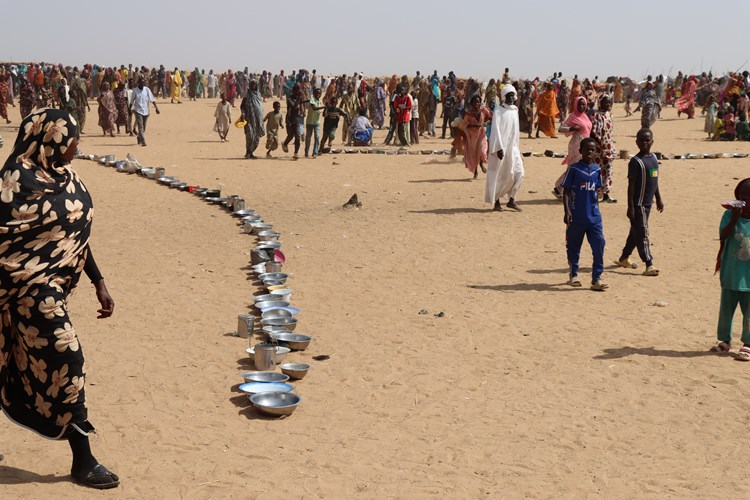
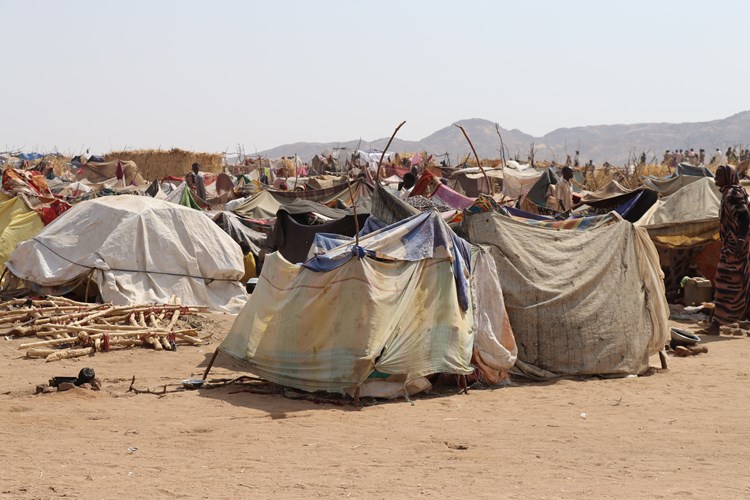
Many Sudanese fleeing from Al Fasher have recently arrived in Tawila
Violations of International Humanitarian Law by all parties to the conflict are widespread and increasingly normalised. Civilians are deliberately targeted, essential infrastructure is attacked, and humanitarian personnel face growing risks further shrinking the space for life-saving action.
Paul Byars, DRC Sudan Country Director, has recently returned from Darfur:
“What we are witnessing in Sudan is not only a humanitarian crisis, but a crisis of protection and accountability. In Darfur, I met families who had survived months of siege and fled with nothing, only to face further violence along their journeys."
"I witnessed a near total absence of basic lifesaving services in overcrowded and under resourced displacement sites. People told me their harrowing experiences of extreme sexual violence, torture, family separations, of witnessing mass killings and of widespread physical harm."
"The violence being perpetrated in Sudan is extreme and civilians are being harmed on a massive scale, while violations of international humanitarian law continue with near total impunity."
"This culture of impunity is creating an enabling environment in a conflict that is far from over. Without meaningful international pressure to protect civilians, ensure humanitarian access and address the drivers of this violence, the suffering we are witnessing today will continue to worsen.”

One thousand days of war is a milestone of global shame. For nearly three years, the world has looked away while civilians in Sudan have been subjected to the untold horrors of death, displacement and hunger. This catastrophe is not inevitable. It is the result of war being waged without any regard to civilians and an insufficient international response that has allowed impunity to take root. We must be clear: this war will not end on the battlefield—it requires a unified, negotiated path to peace. But a sustained peace will need to be Sudanese led. We don’t need more fragmented processes; we need concerted, diplomatic pressure to force a ceasefire now. Civilians cannot wait for another thousand days of failed diplomacy.
/ Charlotte Slente, Secretary General DRC
The Danish Refugee Council (DRC) continues to work alongside Sudanese partners and local responders to support civilians affected by the crisis. Together, we provide protection services, psychosocial support, emergency aid, and water, sanitation, and hygiene programs including in the hardest-to-reach areas.
1,000 days into the conflict, humanitarian needs in Sudan continue to grow. As the crisis deepens, urgent and sustained international action is essential. Civilians must be protected, humanitarian actors must be allowed to operate safely, and adequate funding is required to provide essential support and prevent further loss of life.
The prolonged nature of the crisis has compounded vulnerabilities and further strained communities’ ability to cope, highlighting the scale and enduring impact of the conflict on civilian life.
<
14 Jan 2026
Saving lives, one session at a time
>
08 Jan 2026
Afghanistan’s communities on the frontline of repeated clima…