Go to main content
Professionals (EN) Private (EN/DA) Asylum (EN/DA) Integration (DA) Volunteers (DA) Shop (DA)
Danish Refugee Council
Donate
News

Syria, one year later: Challenges and opportunities

One year after the collapse of the Assad-led government, Syria faces a pivotal moment. While hope and new opportunities emerge, the deep scars of 14 years of conflict persist. Lasting stability requires collective action to turn lessons learned into a foundation for inclusive prosperity.

Posted on 08 Dec 2025

Since the collapse of the Assad-led government a year to this day, Syrians have remained hopeful, yet endured major hardship, with the impacts of 14 years of conflict still very much heartfelt. 16.5 million Syrians remain in need of humanitarian aid, and millions displaced in and outside Syria.

While the humanitarian response has improved, funding for the response is declining.  As the aid community aims to play a key role in the recovery, collective actions and lessons learned must truly become the foundations for lasting stability, safety and prosperity for all Syrians. 

Syria remains a protection crisis, with devastated and deteriorated public services, fractured governance, eroded social fabric, and a collapsed economy exacerbating risks for returnees, IDPs, and host communities. Millions of displaced Syrians are either wondering whether to return or compelled to do so. This difficult decision should be an individual experience shaped by families’ circumstances, resources, and conditions in their areas of displacement and of origin.

These families should share a common reality: returning must be a genuine choice, not a risk, which must not be rushed, forced or incentivised. Overall, Syria remains unconducive for large-scale organised return, although the realities on the ground vary from one region to another and are fast evolving. Such return patterns would overwhelm stretched and depleted basic services, infrastructure and the aid response.  

Protection must remain a central pillar of the aid response, enabling Syrians to rebuild their lives, leaving otherwise millions vulnerable to exclusion and exploitation. Economic recovery is crucial for building the stability and resilience of entire fragile communities, including women and youth.

Clearance of widespread explosive remnants of war, and assistance to victims must be urgently prioritized as key hindrances to recovery. Restoring the eroded social fabric is yet another critical factor to Syrians’ future, including addressing underlying social tensions, preventing renewed conflict and displacement, and strengthening transitional justice.  

Syrian communities are showing great determination to rebuild their future. Now is the time to invest in and support them.

← →

There are determination, capacity, and aspirations across Syrian communities to shape a different, brighter, and more dignified future that the international community must not fail. Through DRC’s community centers, we have seen the need for safe spaces where women and children and other vulnerable people can seek support and get the opportunity to thrive.

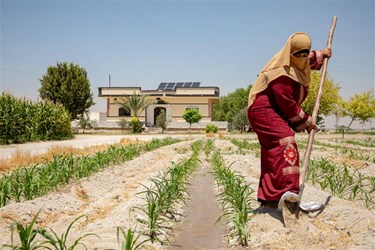
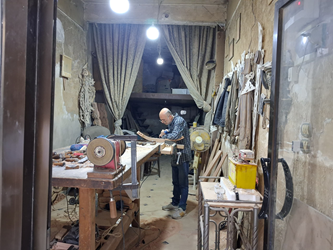
Through our economic recovery assistance, DRC has supported Syrians who wish to be active members of the economy no longer relying on aid.  

Host countries must not prematurely impose returns as the de facto solution to displacement and must ensure refugees stay protected. Refugees-related policies should be driven by international law and the needs, voices and choices of those displaced; not by factors which could politicize and infringe the rights of refugees. 

Now is the time to invest in and support Syrian civil society organisations, which are eager to continue the dialogue among themselves and with transitional authorities, and take a leading role in the response and recovery.

Syrian NGOs expressed a clear message during the Days of Dialogue in Damascus: civil society actors want to get to know each other, build trust, collaborate, and engage effectively with the government, while civic space is protected. Building their capacities and that of national authorities is paramount to deliver on international aid actors’ commitment to localisation. 

With the ongoing transitions, Syrians must remain at the center of the response. All actors must ensure that people in need can access assistance, advance their rights, participate in public life, and have their voices heard.

Syrian communities and civil society must be in the driving seat of this process. Dignity, agency, equal partnerships, and effective participation are essential cornerstones for a sustainable and impactful recovery and reconstruction process. 

<
08 Dec 2025
22nd Meeting of State Parties of the Anti-Personnel Mine Ban…
>
05 Dec 2025
Joint civil society statement on the Council’s position on t…
Read more about Syria